
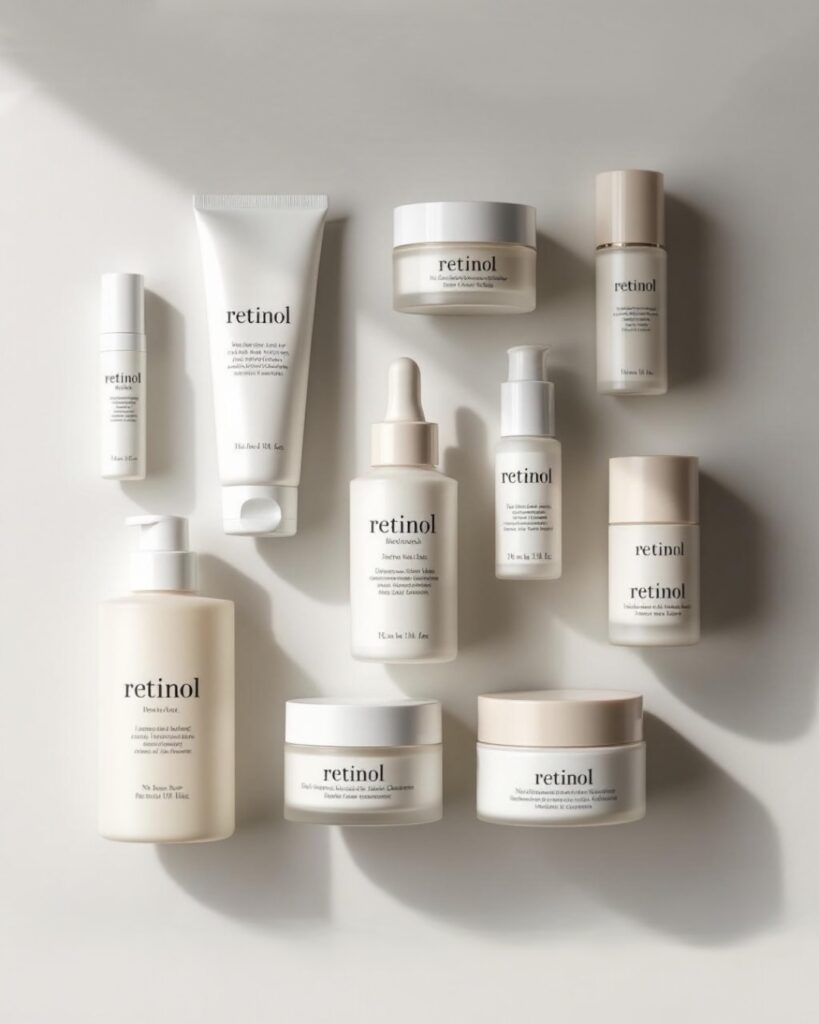
If there’s one skincare ingredient I always come back to, it’s retinol. In this guide to the 14 Best Retinol Products For Sensitive Skin 2026, we’ll explore how retinol can improve skin texture, reduce fine lines, and maintain a youthful glow.
That said, if you have sensitive skin, starting retinol can feel a little intimidating. Many people worry about redness, dryness, or irritation—often referred to as the dreaded “retinol burn.” The truth is that while some adjustment is normal, the right product and routine can make retinol surprisingly gentle, even for delicate skin types.
Retinol works by speeding up skin cell turnover and encouraging collagen production. Over time, this process helps smooth wrinkles, fade dark spots, and improve overall skin tone. Dermatologists frequently recommend introducing retinol in your late 20s or early 30s as part of a long-term skincare routine.
The key is choosing formulas designed specifically for sensitive skin and introducing them slowly. Fortunately, many skincare brands now create retinol products that include calming ingredients to help reduce irritation while still delivering visible results.
Why Retinol Works (Even for Sensitive Skin)
Retinol is derived from vitamin A and has been extensively studied in dermatology for decades. Its biggest benefit is the way it encourages the skin to renew itself more quickly.
Normally, skin cells regenerate every 28–30 days. As we age, that process slows down, which can lead to dullness, uneven texture, and fine lines. Retinol speeds up this renewal process, helping fresh skin cells surface more quickly.
Over time, this leads to several noticeable improvements:
• Smoother skin texture
• Reduced appearance of fine lines and wrinkles
• Brighter, more even skin tone
• Smaller-looking pores
• Improved firmness due to increased collagen production
Another benefit of retinol is its ability to keep pores clear. This makes it useful not only for anti-aging but also for managing occasional breakouts.
Sensitive skin can still benefit from retinol as long as the product is formulated gently and used carefully. Many modern formulas now combine retinol with hydrating ingredients such as ceramides, hyaluronic acid, and niacinamide to help support the skin barrier.
Retinol vs Retinoids: What’s the Difference?
You’ve probably seen the words retinol and retinoids used in skincare conversations, sometimes interchangeably. While they are related, they are not exactly the same thing.
Retinoids are the broader family of vitamin A derivatives used in skincare and dermatology. Some retinoids are prescription-strength treatments used to address acne, severe sun damage, or deeper wrinkles.
Retinol, on the other hand, is a gentler over-the-counter form of vitamin A commonly found in skincare products. It works more gradually because it needs to convert into retinoic acid once it’s absorbed by the skin.
This slower conversion process is actually beneficial for sensitive skin. It allows the ingredient to deliver long-term results while minimizing irritation.
You may also notice newer products using encapsulated retinol, which releases the ingredient slowly throughout the night. This technology helps reduce redness and dryness, making it easier for sensitive skin to tolerate.
For most beginners, retinol is the best place to start when adding vitamin A to a skincare routine.
How To Start Using Retinol Safely
If you’re new to retinol, patience is essential. Your skin needs time to adjust to this active ingredient, and introducing it slowly will help prevent unnecessary irritation.
A good beginner routine looks something like this:
Cleanse your skin with a gentle cleanser.
Apply a lightweight moisturizer.
Use a pea-sized amount of retinol for the entire face.
Follow with another layer of moisturizer.
Many dermatologists recommend using retinol two or three nights per week when you first begin. After a few weeks, if your skin tolerates it well, you can gradually increase the frequency.
Another helpful trick for sensitive skin is the “retinol sandwich” method. This simply means applying moisturizer before and after your retinol to create a protective buffer that reduces irritation.
While it may take several weeks to see visible improvements, consistency is what delivers long-term results. When selecting one of the 14 Best Retinol Products For Sensitive Skin 2026, it’s important to start slowly to minimize irritation.
Applying moisturizer before and after retinol—often called the “retinol sandwich”—helps reduce irritation. For cold-weather protection, you can pair your retinol routine with our guide on The 10 Best Face Moisturizers For Winter to keep sensitive skin hydrated.
Retinol Strength Guide
Retinol products come in different concentrations, and choosing the right strength makes a big difference—especially for sensitive skin.
Most over-the-counter retinol products fall within these ranges:
0.25% Retinol
This is considered a beginner strength and is usually the safest option for sensitive skin. It helps improve skin texture while minimizing irritation.
0.3%–0.5% Retinol
This mid-level strength provides stronger anti-aging benefits and is suitable once your skin has adjusted to retinol.
1% Retinol
Higher-strength formulas are typically designed for experienced users who have already built a tolerance to retinol.
For sensitive skin, starting with lower concentrations and gradually increasing strength is usually the most comfortable approach.
Common Retinol Mistakes To Avoid
Even the best retinol products can cause irritation if they’re not used correctly. Avoiding a few common mistakes can make the experience much smoother.
Using too much product
A pea-sized amount is enough for the entire face. Applying more won’t make it work faster.
Starting too frequently
Using retinol every night right away can overwhelm sensitive skin. Start slowly and increase usage gradually.
Skipping moisturizer
Hydration is essential when using retinol. Moisturizers help protect the skin barrier and prevent excessive dryness.
Combining with strong exfoliants
Using retinol together with harsh exfoliating acids can increase irritation, especially in the beginning.
Not wearing sunscreen
Retinol makes skin more sensitive to sunlight, so daily SPF is absolutely essential.
How Often Should You Use Retinol?
When it comes to retinol, consistency matters more than frequency. For beginners, applying retinol two or three nights per week is usually enough to begin seeing benefits.
After your skin adapts, you can increase to every other night or nightly use if your skin tolerates it well.
Some people prefer to alternate their routine by giving their skin recovery nights in between retinol applications. For example:
Night 1: Retinol
Night 2: Hydrating skincare
Night 3: Gentle exfoliation
This type of balanced routine helps maintain healthy skin while still enjoying the long-term benefits of retinol.
Before we dive into the 14 best retinol products for sensitive skin, you might also want to check out our full roundup of Dermatologist Recommended Skincare For Sensitive Skin for additional expert-approved options.
Disclosure: This is not a sponsored post. All products featured are independently selected by urbanstyle_chic. However, when you buy something through the retail links, urbanstyle_chic may earn an affiliate commission.
14 Best Retinol Products For Sensitive Skin 2026
Here are the 14 Best Retinol Products For Sensitive Skin 2026 that combine gentle formulations with effective anti-aging ingredients.
1. FAB Skin Lab Retinol Serum 0.25%
Looking for a gentle way to begin your retinol journey? This beginner-friendly serum is formulated specifically for sensitive skin. Not only does it smooth fine lines, but it also nourishes and firms the complexion over time.
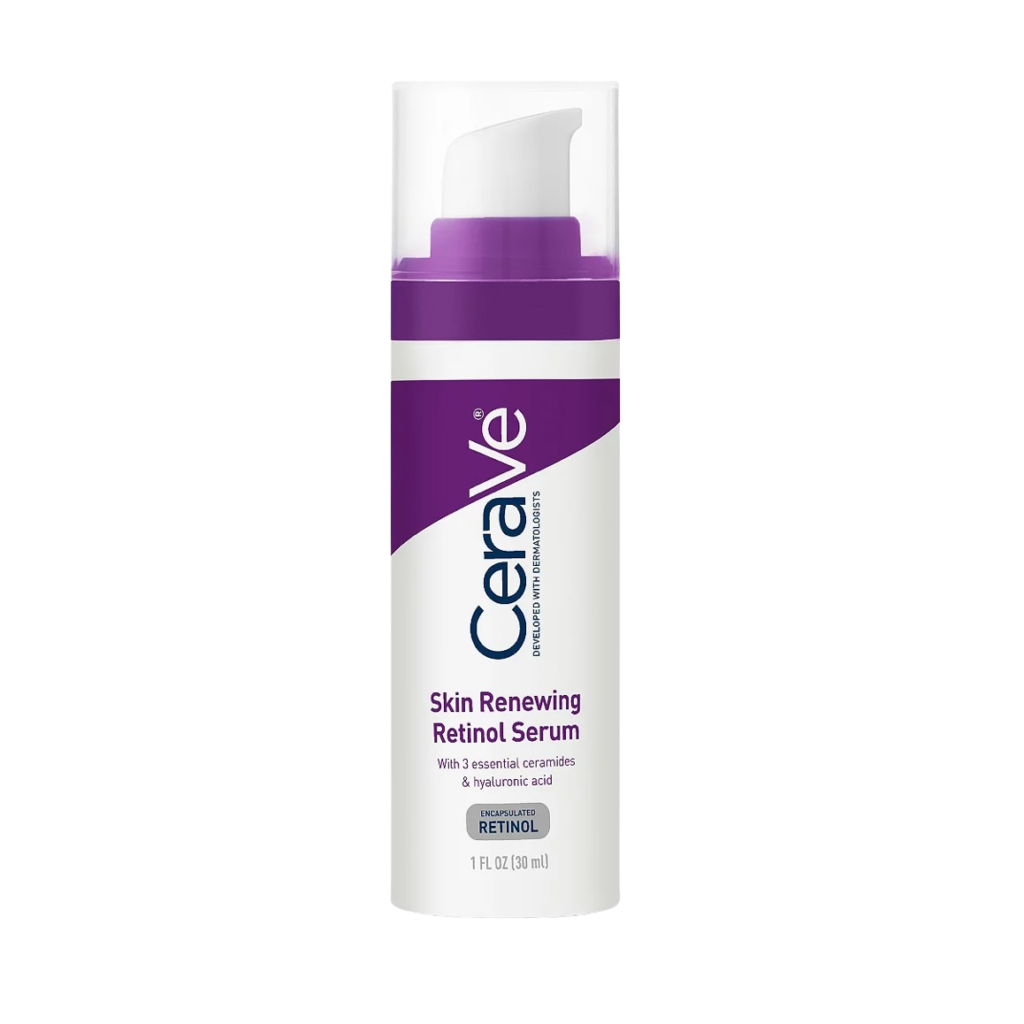
2. CeraVe Skin Renewing Retinol Serum
This dermatologist-loved formula targets fine lines and uneven texture. Furthermore, it contains ceramides to help maintain the skin barrier, making it ideal for daily use on sensitive skin.

3. Dr. Dennis Gross Texture Renewal Serum
A gentle daily serum that refines pores and improves texture. As a bonus, it helps control excess oil while still being suitable for delicate complexions.
4. SkinCeuticals Retinol 0.3
This beginner-strength retinol includes soothing bisabolol to minimize irritation. Consequently, it accelerates cell turnover while keeping redness under control.


5. La Roche-Posay Retinol B3 Serum
By combining pure retinol with vitamin B3 (niacinamide), this serum delivers visible results without excessive dryness. Therefore, it’s a top choice for sensitive skin types.
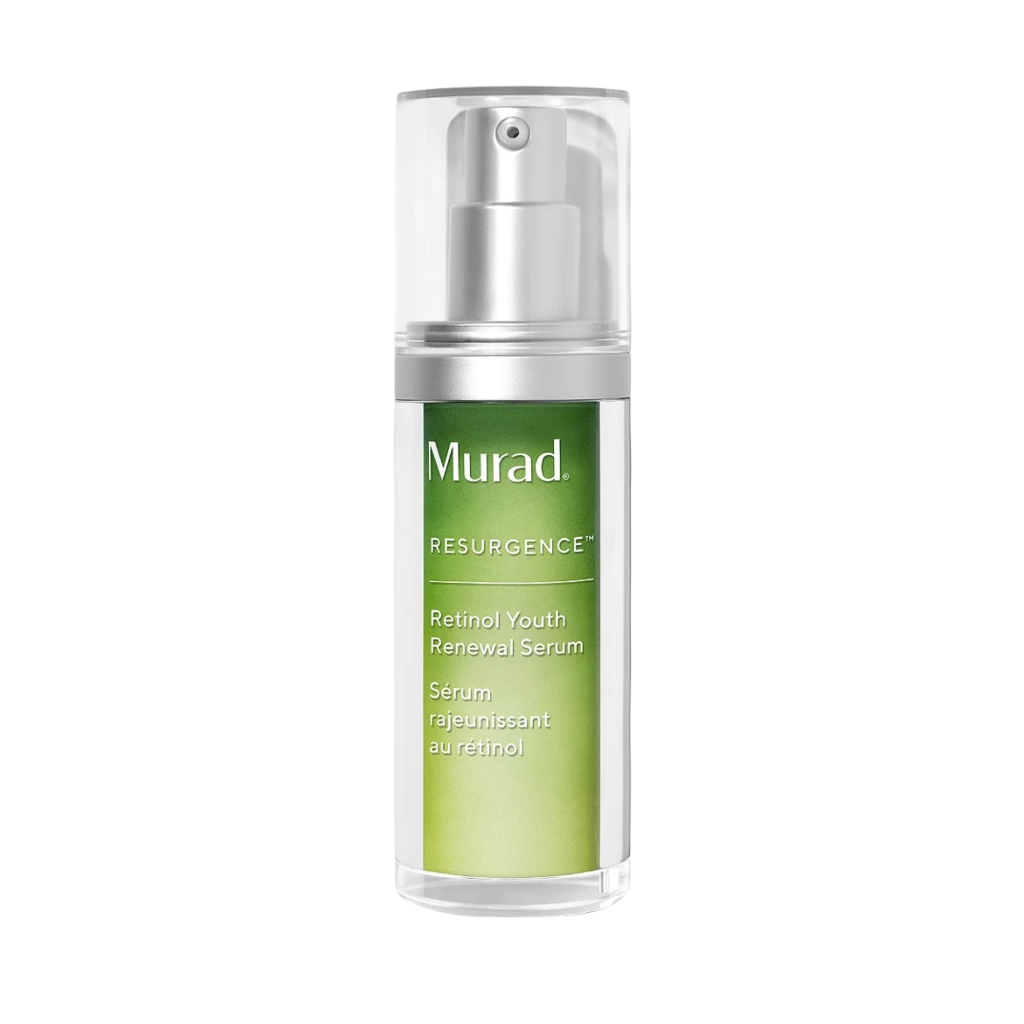
6. Murad Retinol Youth Renewal Serum
This multi-action serum works both preventatively and correctively. In fact, many users notice smoother, brighter skin in as little as two weeks.

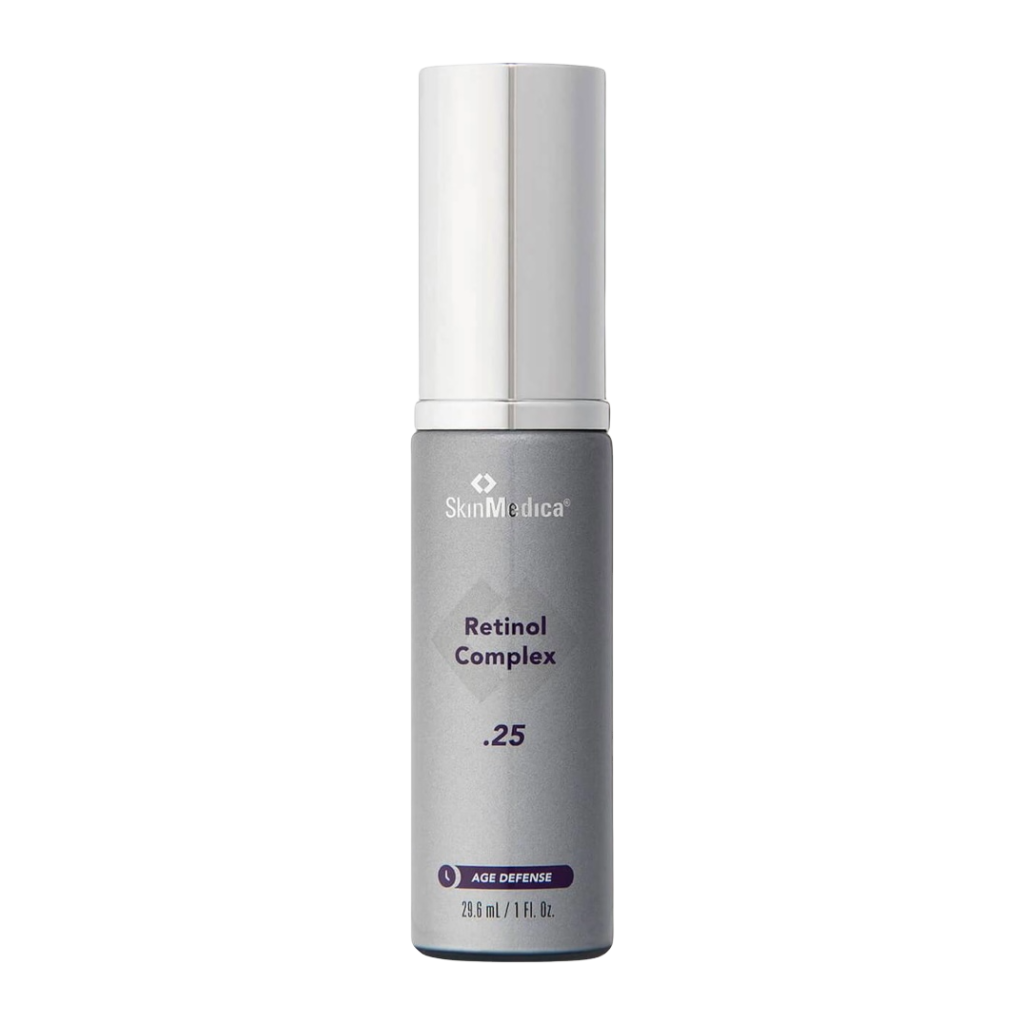
7. SkinMedica Retinol Complex 0.25
Encapsulated with PhytoShield™ Complex, this formula gradually releases retinol to reduce irritation. As a result, it refreshes skin while minimizing fine lines.
8. La Roche-Posay Adapalene Gel 0.1%
Although technically a retinoid rather than traditional retinol, adapalene regulates cell turnover and helps clear pores. Therefore, it’s excellent for acne-prone sensitive skin.

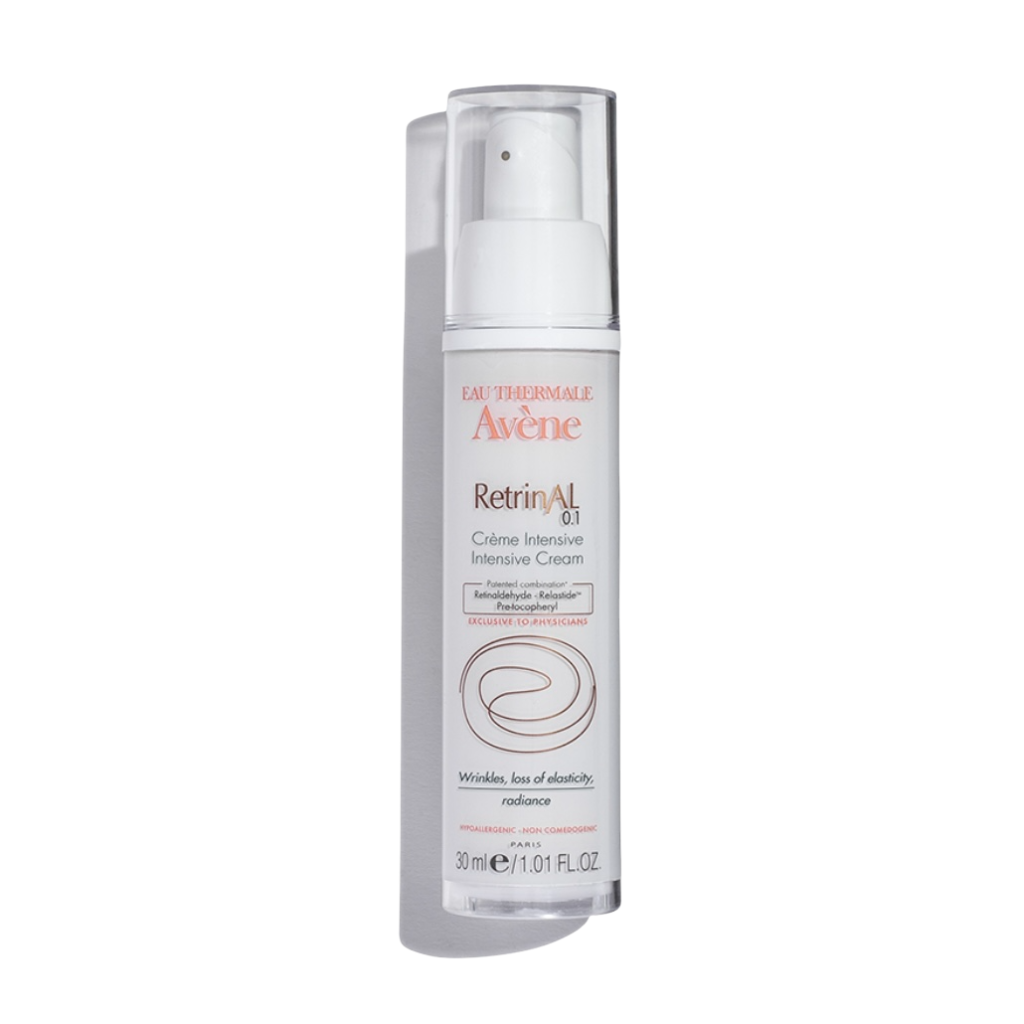
9. Avène RetrinAL 0.1 Intensive Cream
This cream reduces deeper wrinkles while incorporating peptides and antioxidants. Additionally, it smooths and renews skin for a radiant finish.
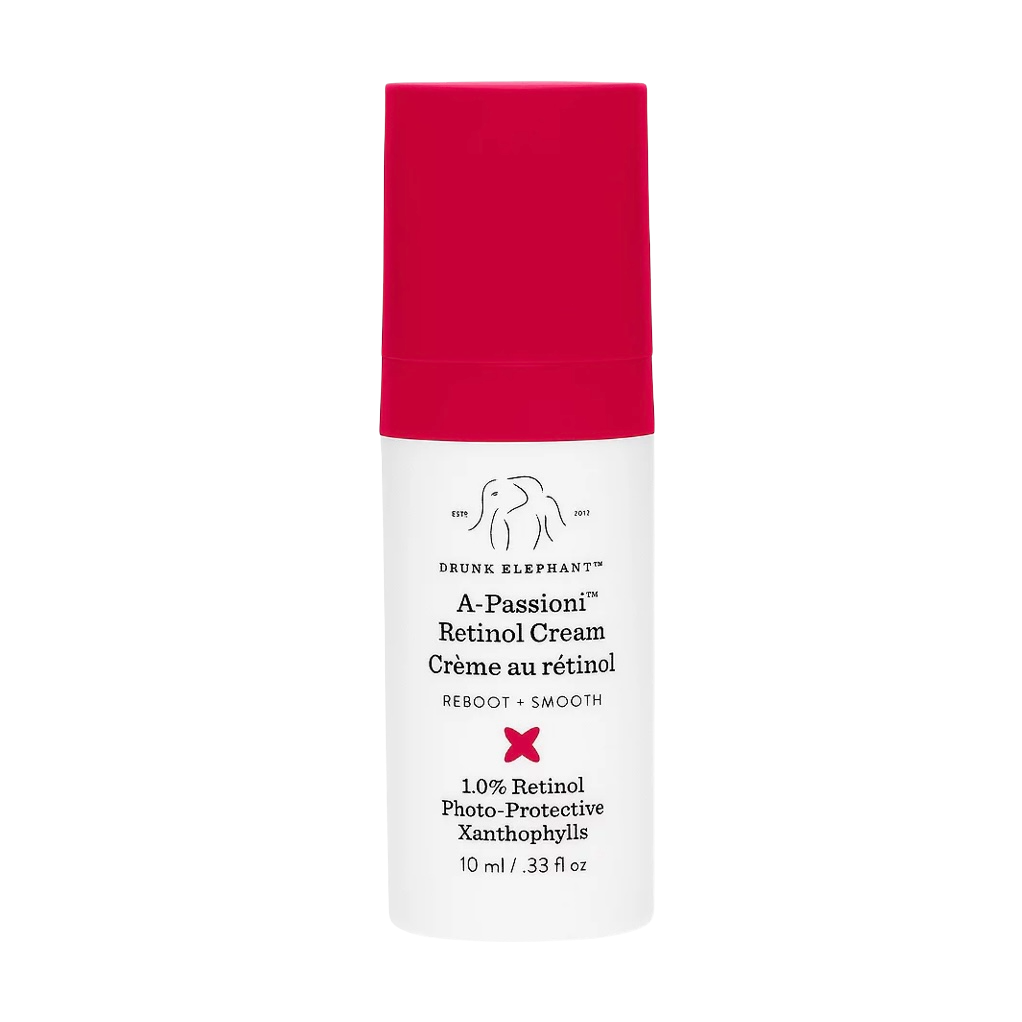
10. Drunk Elephant A-Passioni Retinol Cream
Formulated with 1% vegan retinol, this cream also includes nourishing ingredients to help minimize dryness. Even so, beginners should start slowly due to its higher strength.
11. Vichy LiftActiv Retinol HA Night Cream
Infused with hyaluronic acid, this formula visibly plumps and firms the skin. Meanwhile, the gentle retinol helps smooth wrinkles over time.
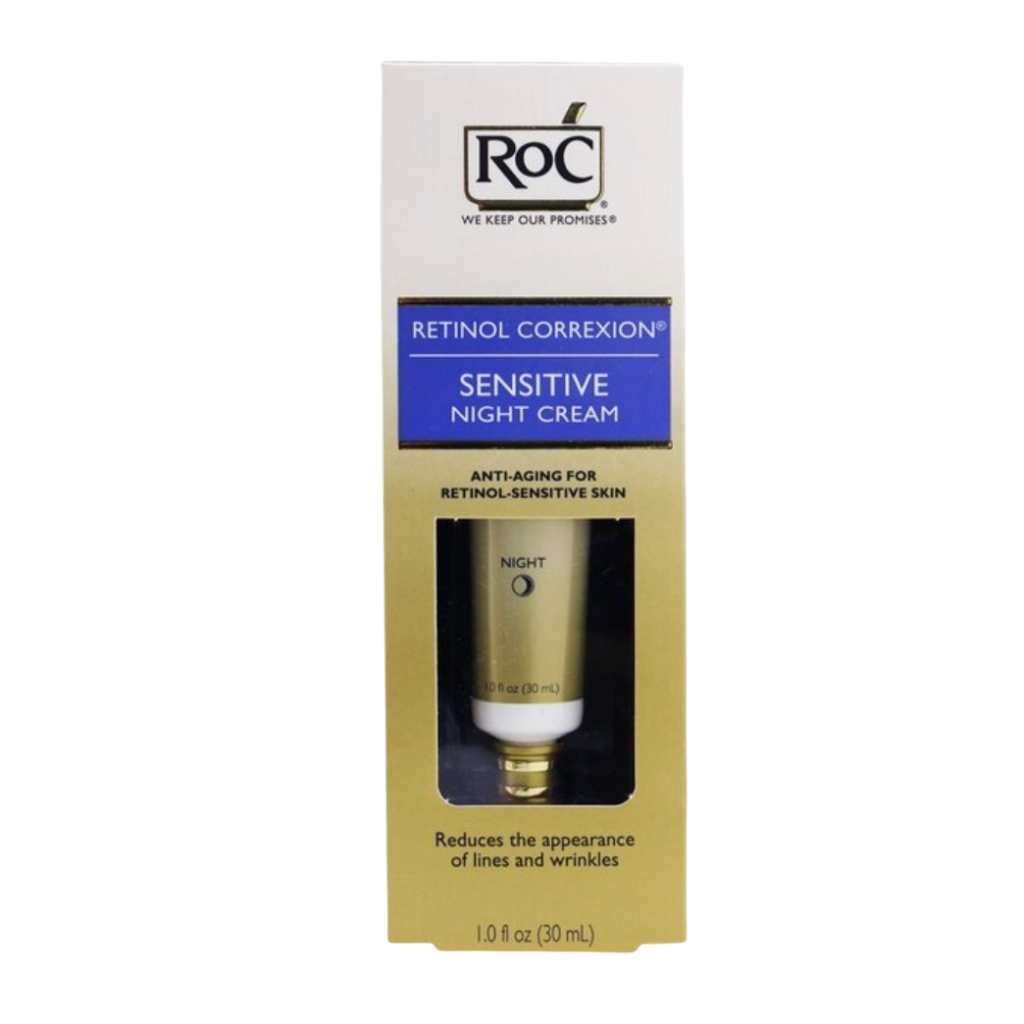
12. RoC Retinol Correxion Sensitive Night Cream
Specifically designed for sensitive skin, this hydrating night cream combines retinol with soothing ingredients to reduce irritation.

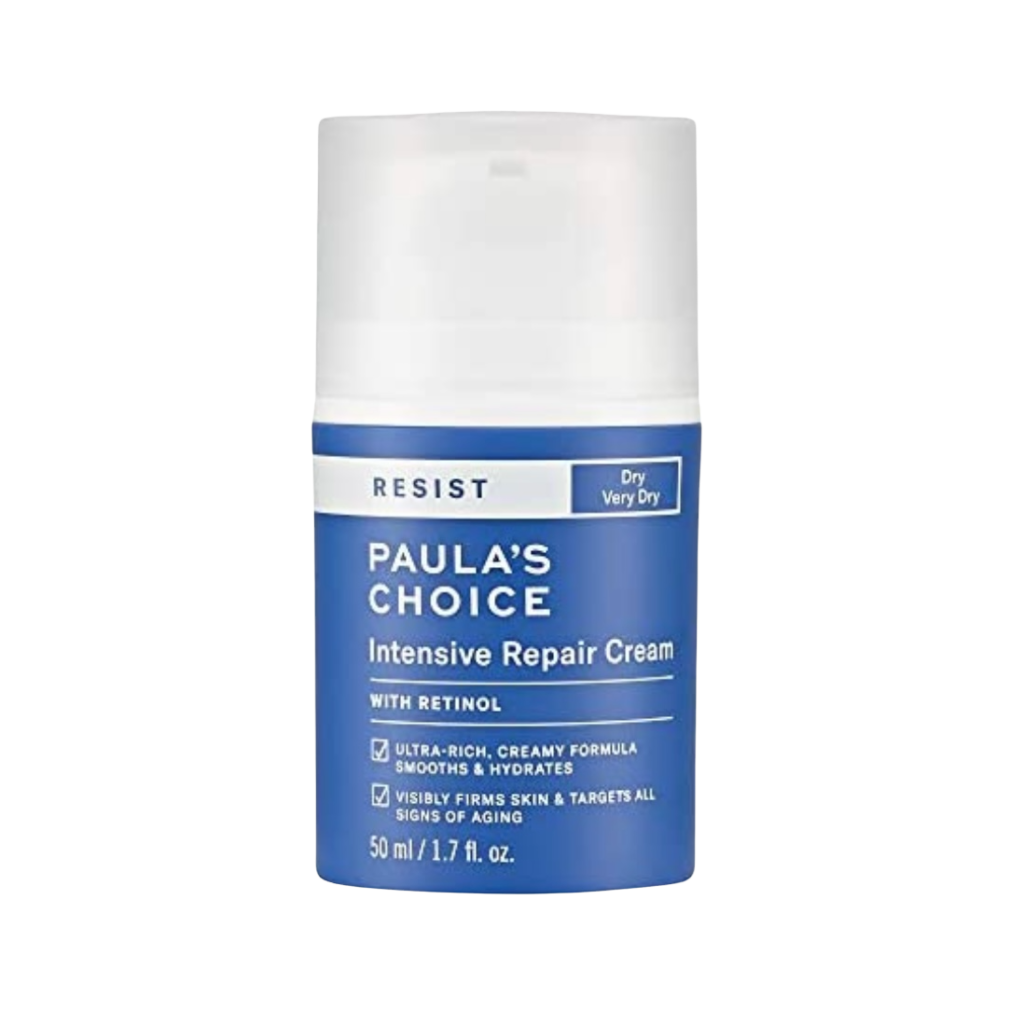
13. Paula's Choice Intensive Repair Cream
This rich moisturizer refines wrinkles while strengthening the skin barrier. Consequently, it’s perfect for dry, sensitive complexions adjusting to retinol.
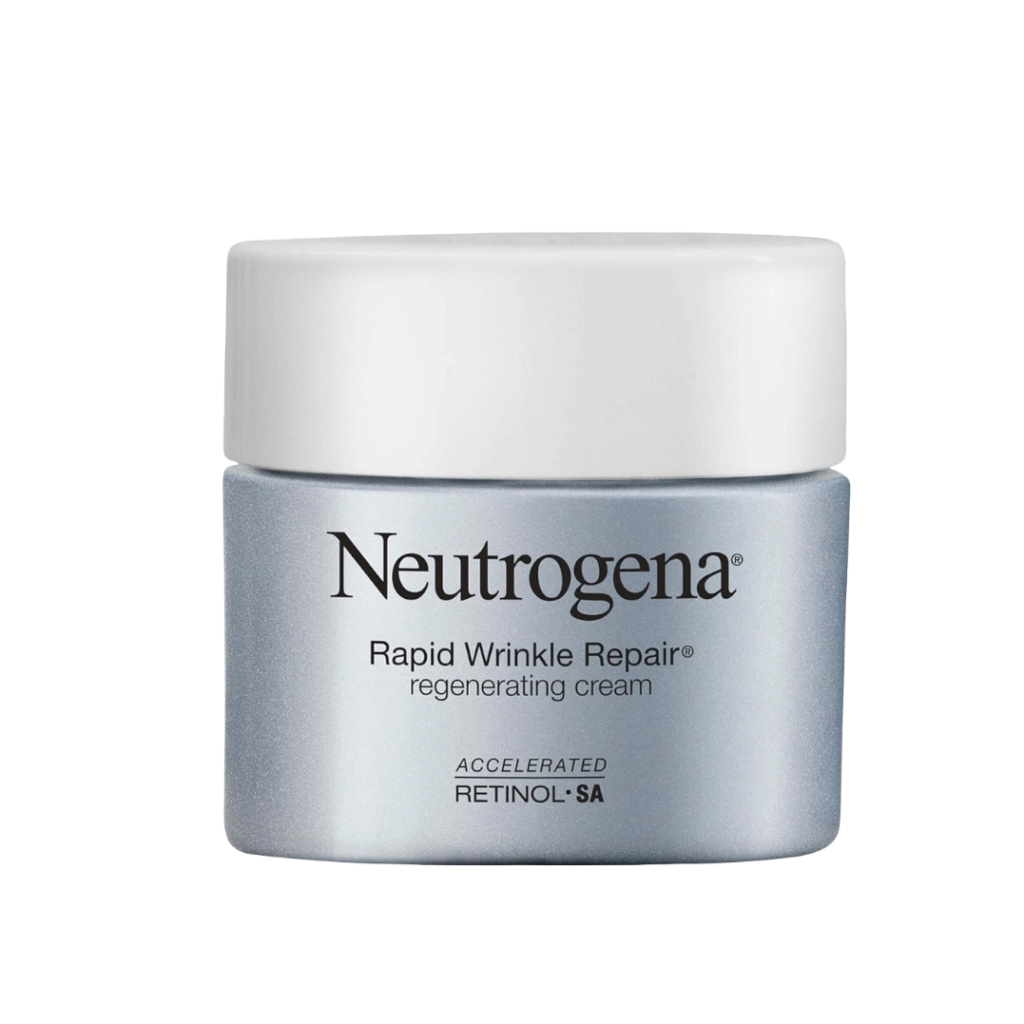
14. Neutrogena Rapid Wrinkle Repair Retinol Cream
Formulated with retinol and hyaluronic acid, this affordable option hydrates while visibly improving texture and fine lines in as little as one week.
Final Thoughts On Retinol For Sensitive Skin
Retinol remains one of the most powerful ingredients in modern skincare, but success with it comes down to patience and balance. Starting slowly, choosing the right formula, and supporting your skin with plenty of hydration can make all the difference.
Sensitive skin doesn’t have to miss out on the benefits of retinol. With the right approach, it’s possible to enjoy smoother texture, brighter tone, and firmer-looking skin without unnecessary irritation.
Most importantly, remember that retinol is a long-term investment in your skin. With consistent use and proper sun protection, it can become one of the most effective steps in a healthy skincare routine.
Choosing from the 14 Best Retinol Products For Sensitive Skin ensures your routine is both effective and safe.
For easy reference, all the retinol and sensitive-skin products I mention in this guide are also available in my Amazon storefront. It’s a convenient way to explore everything in one place.
This post is not intended to provide diagnosis, treatment, or medical advice. Content provided on this blog is for informational purposes only. Please consult a dermatologist regarding any skin condition or treatment options. Information on this blog should not be considered a substitute for advice from a healthcare professional.